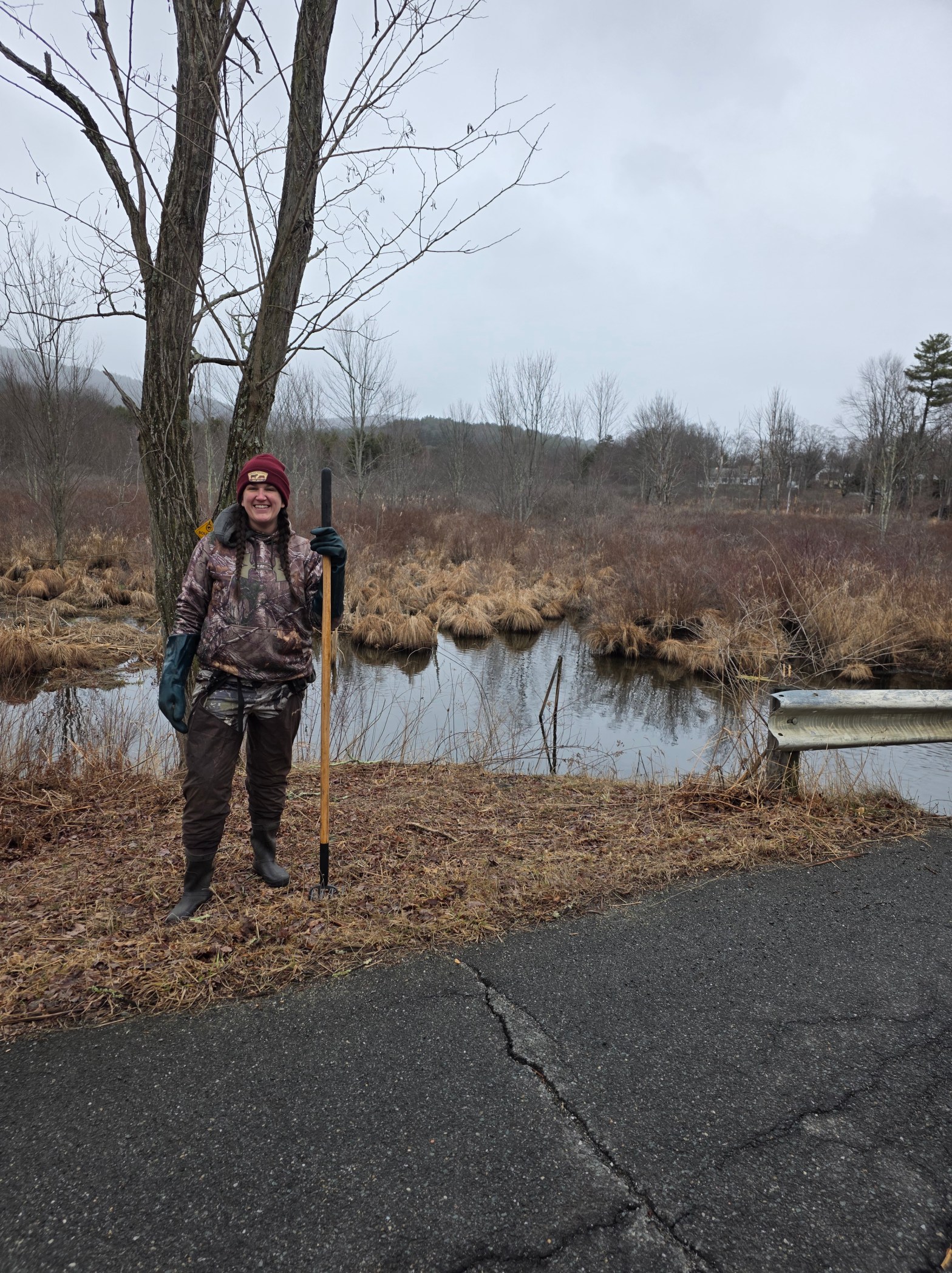
Trapping. It’s something that has always intrigued me, but also something no one I knew was ever a part of. Every time I go to one of the expos in the area I am drawn to the trappers association booths because of the gorgeous furs. Most recently I purchased a red fox and an otter fur to hang in my home office.
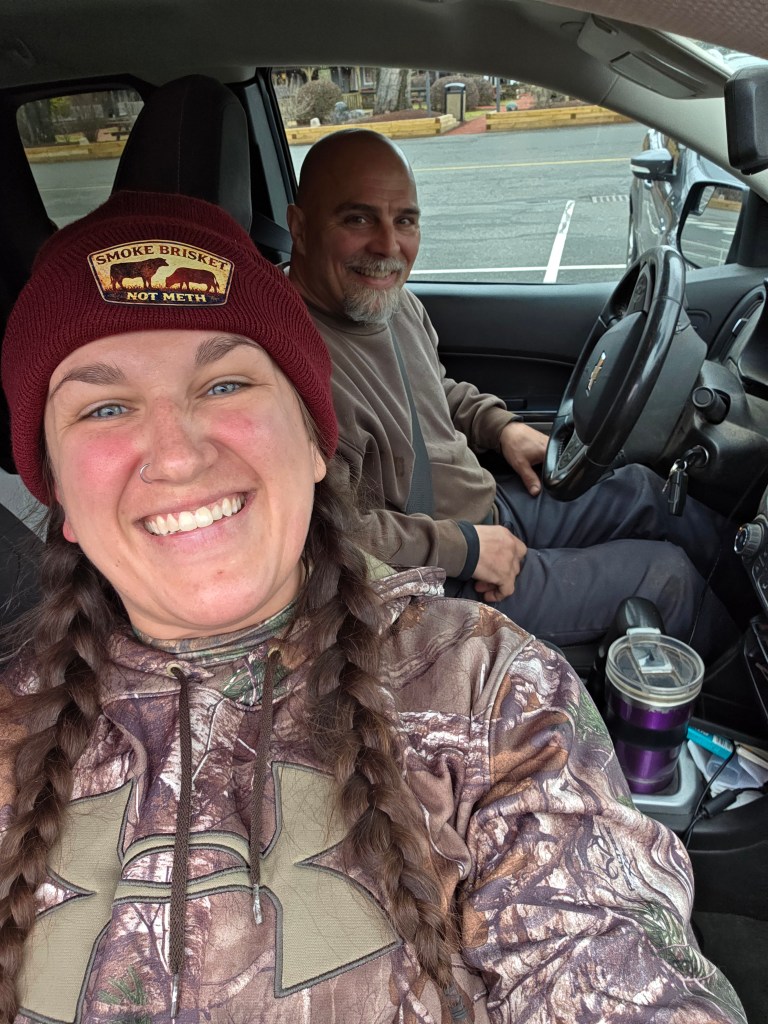
Last year Massachusetts Fish & Wildlife hosted what they called the R3 Summit which focuses on “increasing participation in hunting, fishing, trapping, boating, and shooting sports through collaboration.” Many folks from all over the state attended and I was lucky enough to be seated at a table with a gentleman by the name of Tom Gravel, a trapper who owns a trapping business and removes nuisance beavers. We sat next to each other last year and I remember picking his brain a little about trapping and the processes that he uses; we talked briefly about the trap types and practices in Massachusetts and by the end of the event I was convinced that some day I had to try trapping. Fast forward to February 2026 – ADC had a booth at the Springfield Sportsman’s Show. We were 2 booths away from the Massachusetts Trappers Association. To my excitement, I ran into Tom again. We chatted, I gave him my card, and I asked if I could ever tag along. He seemed eager, but I wasn’t sure after the weekend if it would come to fruition. A couple weeks later he called and we made a plan where I could tag along with him for the day. I could not wait, I felt like I was a kid again tagging along in the woods or on the water to try something new.
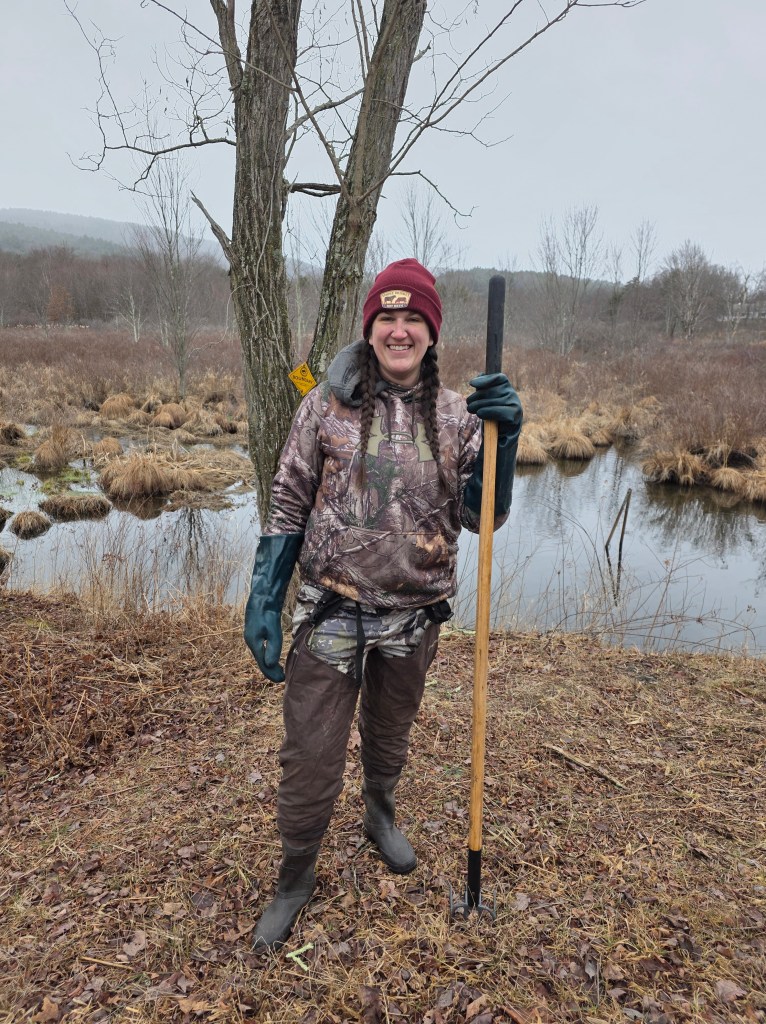
I am not really sure that I had any idea quite what to expect. I knew that we would be in and out of water bodies, because that’s where beavers spend their time. Tom mentioned we would look at some residential and non residential problem areas; the plan was to check two places that he had set traps the day before, and then to go and set some other traps in several other locations. As 7 am rolled around, we met up at the first spot and I knew right off the bat I was going to get one heck of an education. Tom set me up with a rake, hip waders, and elbow high gloves and we got to work.
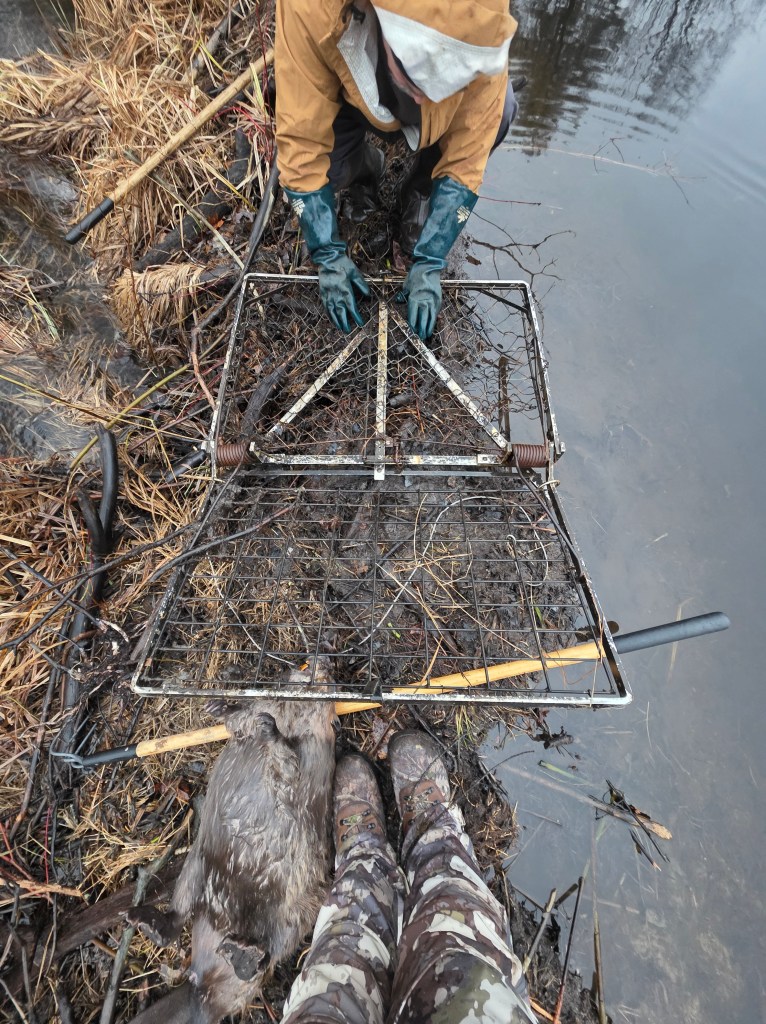
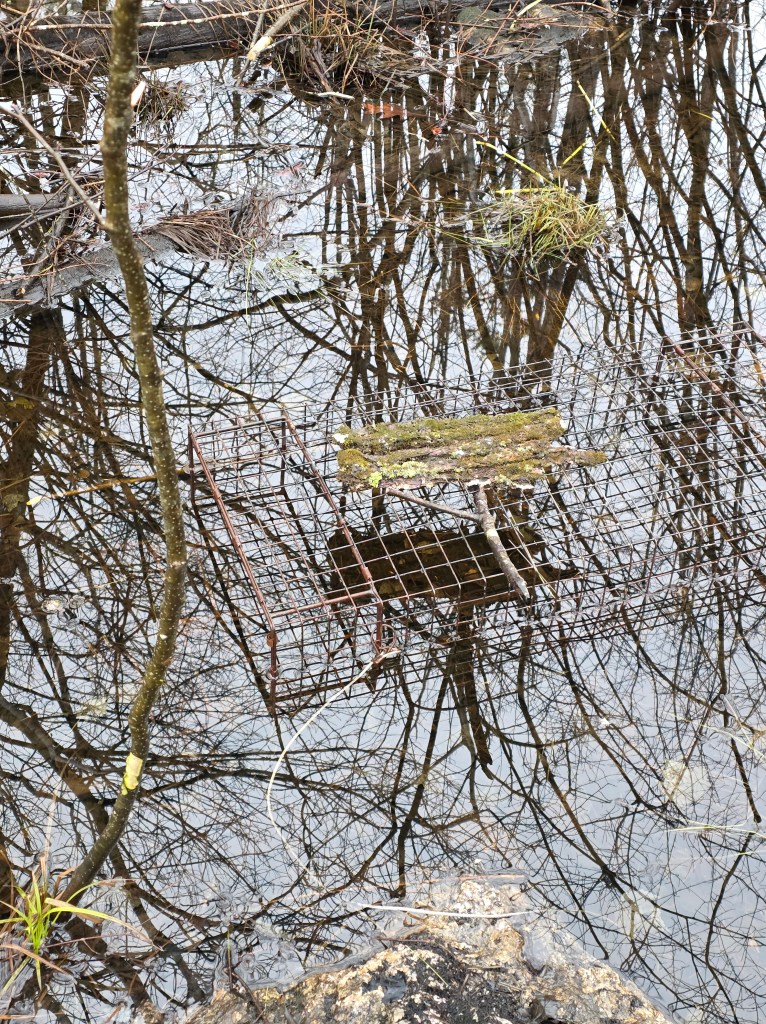
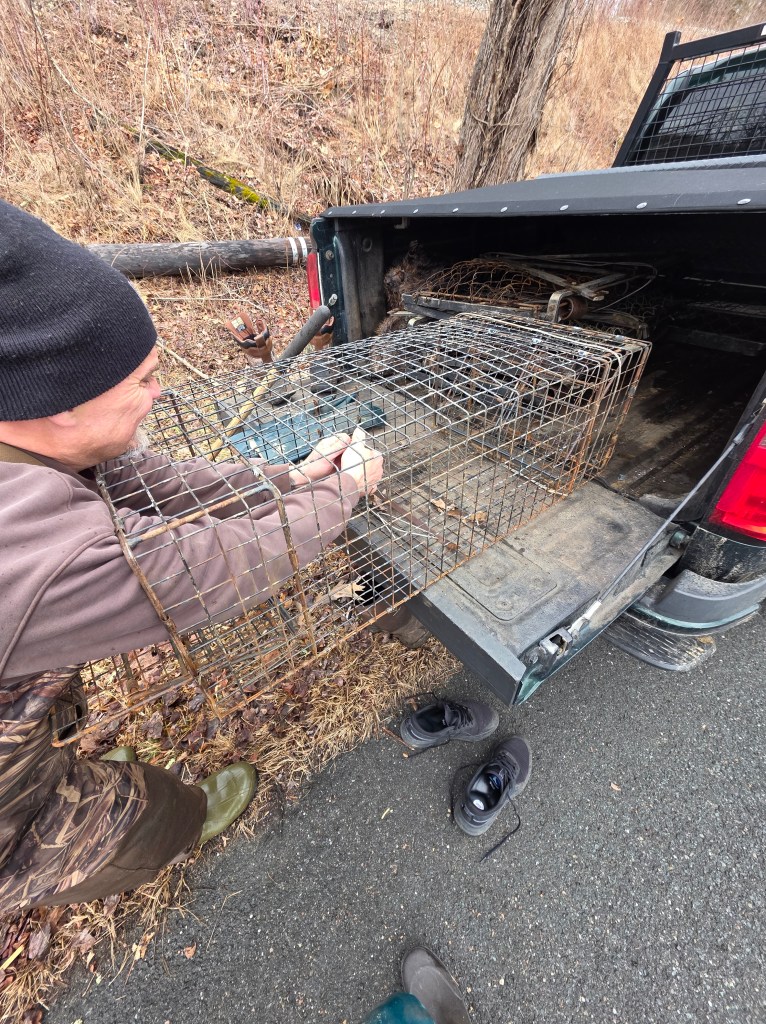
We spent probably 8 hours or so together, and I learned SO much about trapping. One of the first things that I learned was that it is illegal to use steel-jawed foothold traps, padded jaw traps, body-gripping (Conibear) traps (unless you have a special emergency permit), and snares. This leaves Massachusetts trappers with two traps for beavers – a comstock beaver trap and the Hancock beaver trap. **Bailey and Hancock traps may only be used by trappers who have been issued the Bailey-Hancock certificate of completion. The traps must also be set above the water line so that the beaver can breathe once they’re caught in the cage trap, as in Massachusetts also you cannot do what I would call “kill trapping” – the animals are trapped alive and once trapped the beaver must be humanely dispatched.
As we worked, Tom explained the biology of beavers – how they act in their day to day, breeding, scent marking, territory behavior, what they like to eat and how they interact with one another in and out of the known family units in an area. I recall asking something along the lines of “so do beavers just see running water and want to damn it up? What motivates them?” What he said makes so much sense – Water is their way of life. It brings them food, a place to call their home, and security.
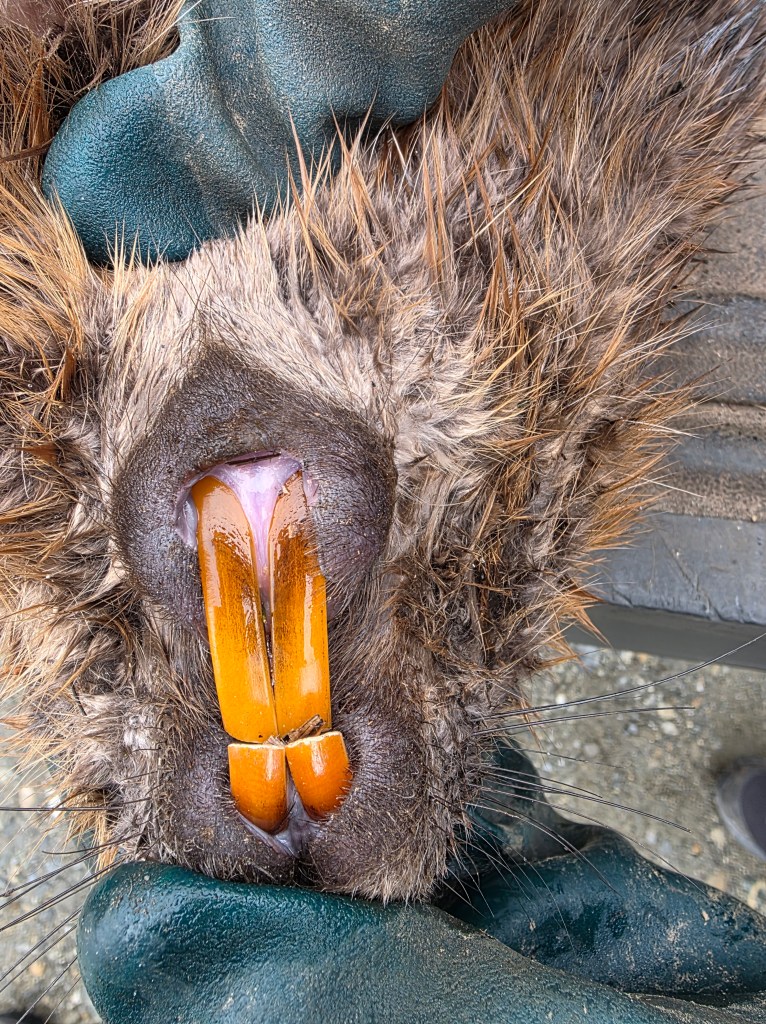
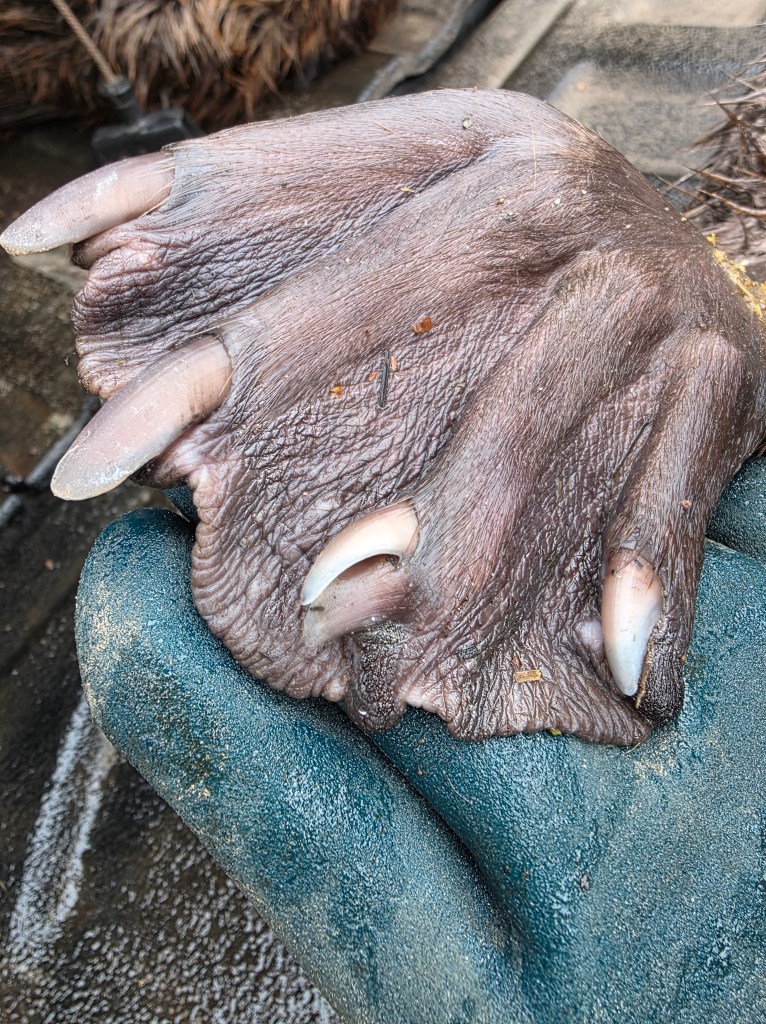
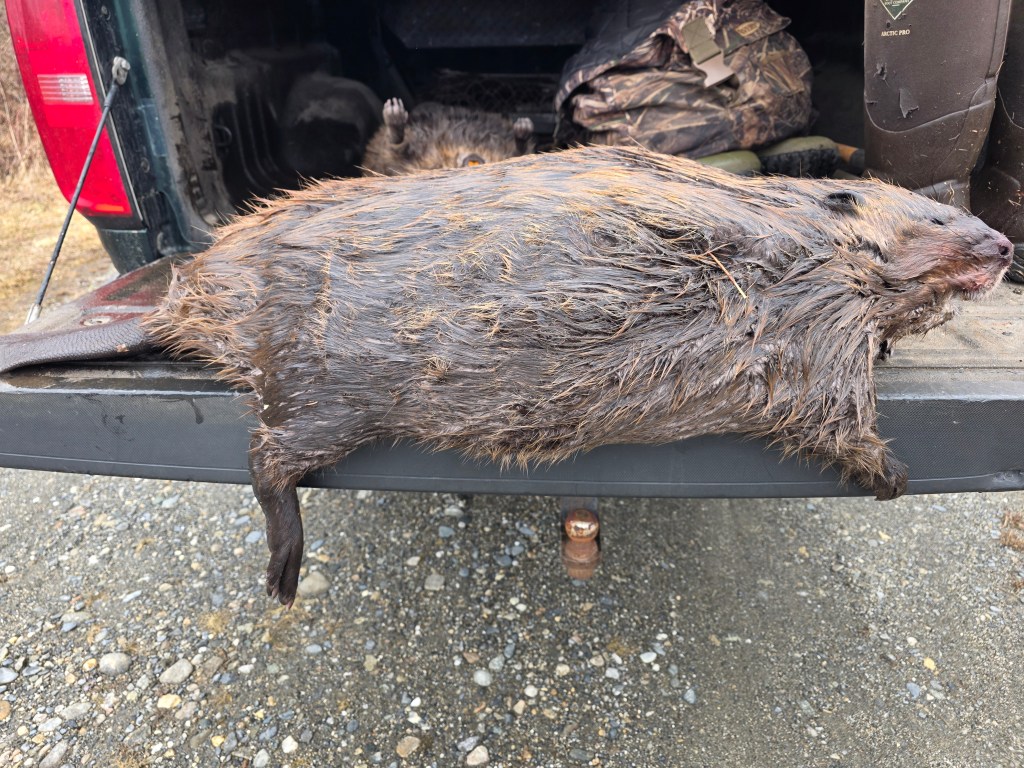
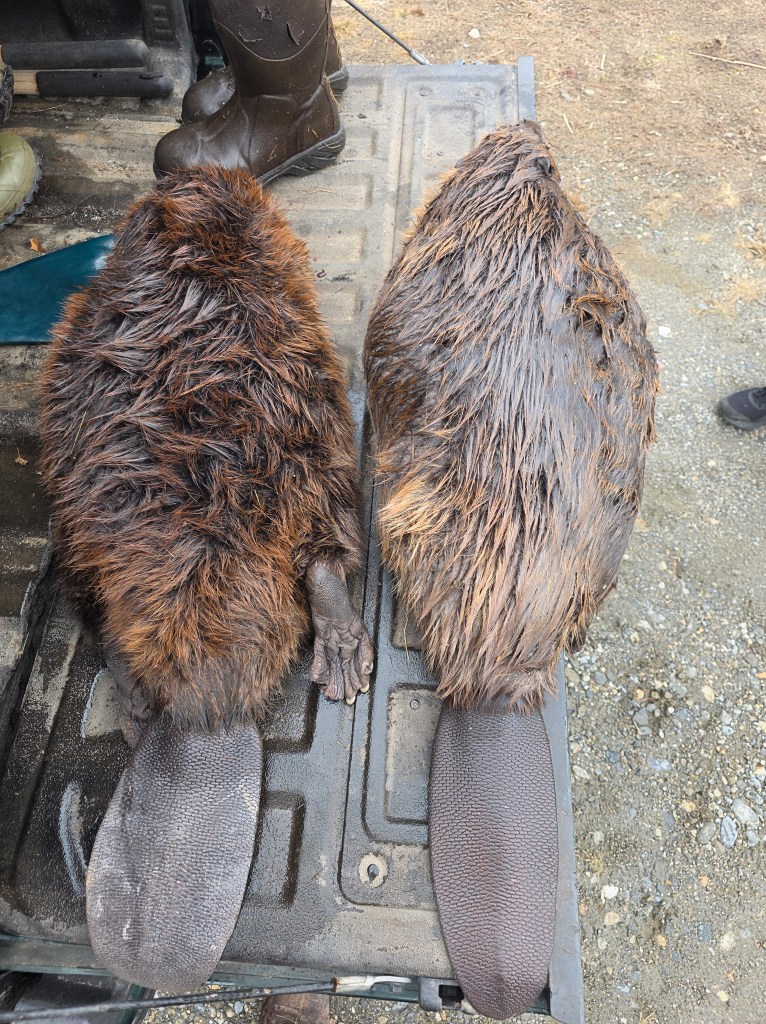
Knowing all of these things, Tom knew where there were problem beavers and could identify where the best places might be to set the traps in those places. He also explained very early on about the use of the lure scent for the beavers to aid in trapping success and how to set it with the traps. Beavers, I learned, are extremely territorial – and once they smell a ‘new’ beaver in the area they’re drawn to check out what exactly is going on. He also added that the scent lure yields better success when it doesn’t get wet, and showed me how in some cases when he knows there will be rain he protects it with natural greenery in the area or other sticks to prevent it from getting wet. At the first two sites Tom successfully trapped two beavers, and when he had me pick the first one up I was shocked at how big it was – it weighed in at 51.62 pounds.
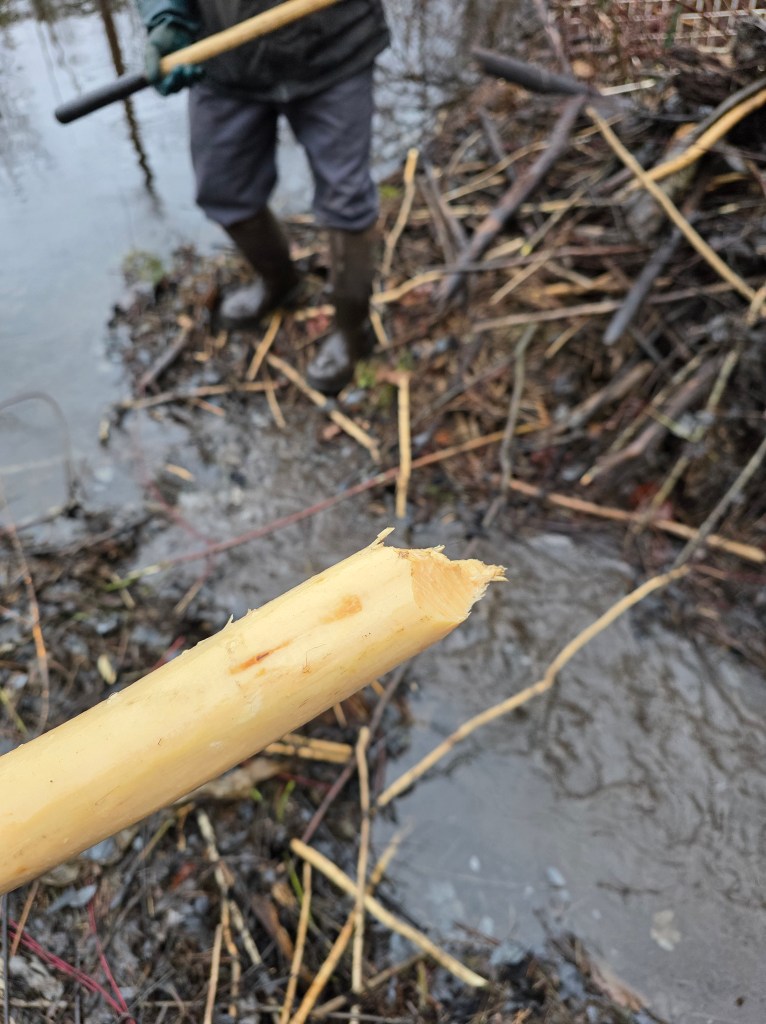
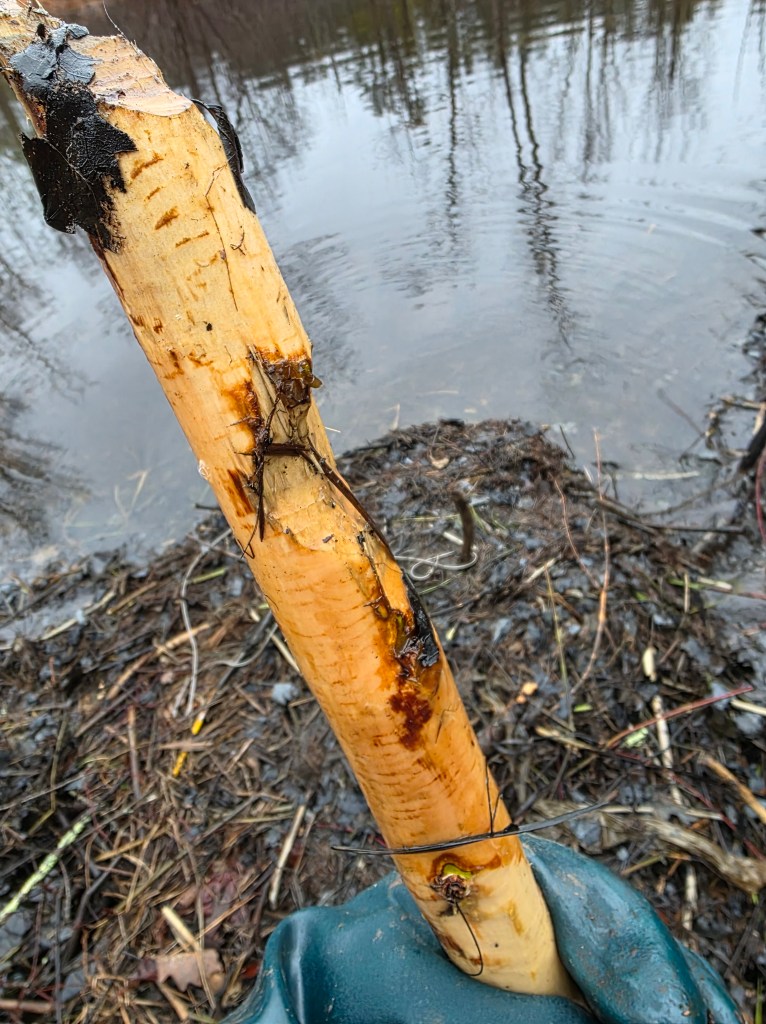
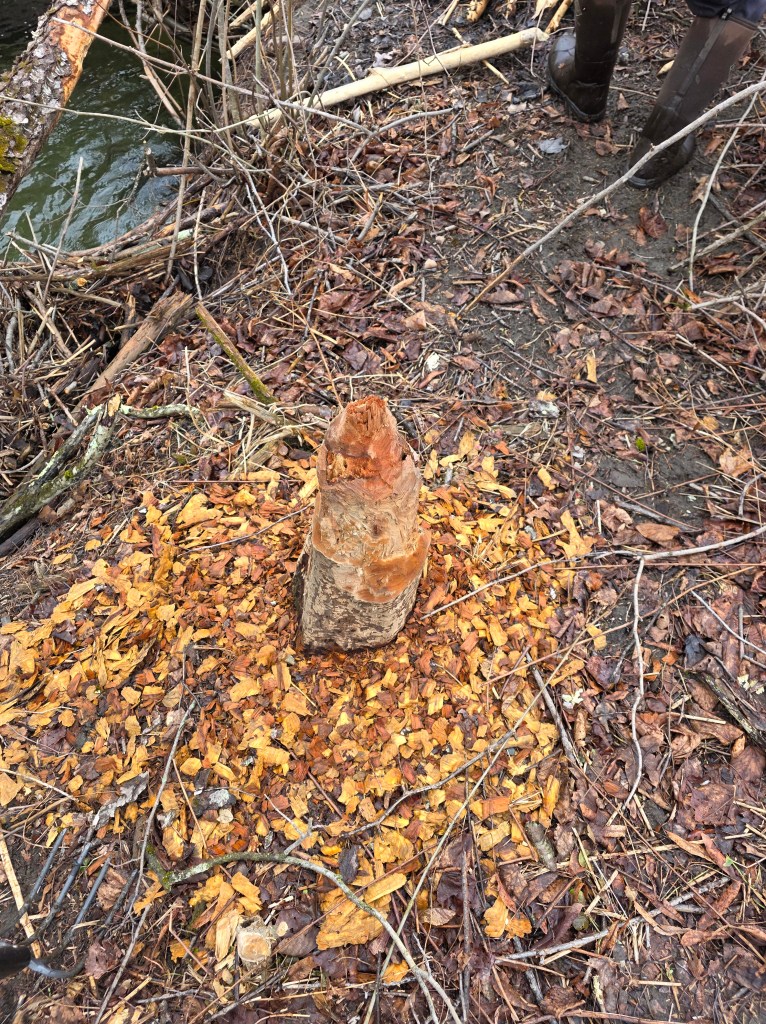
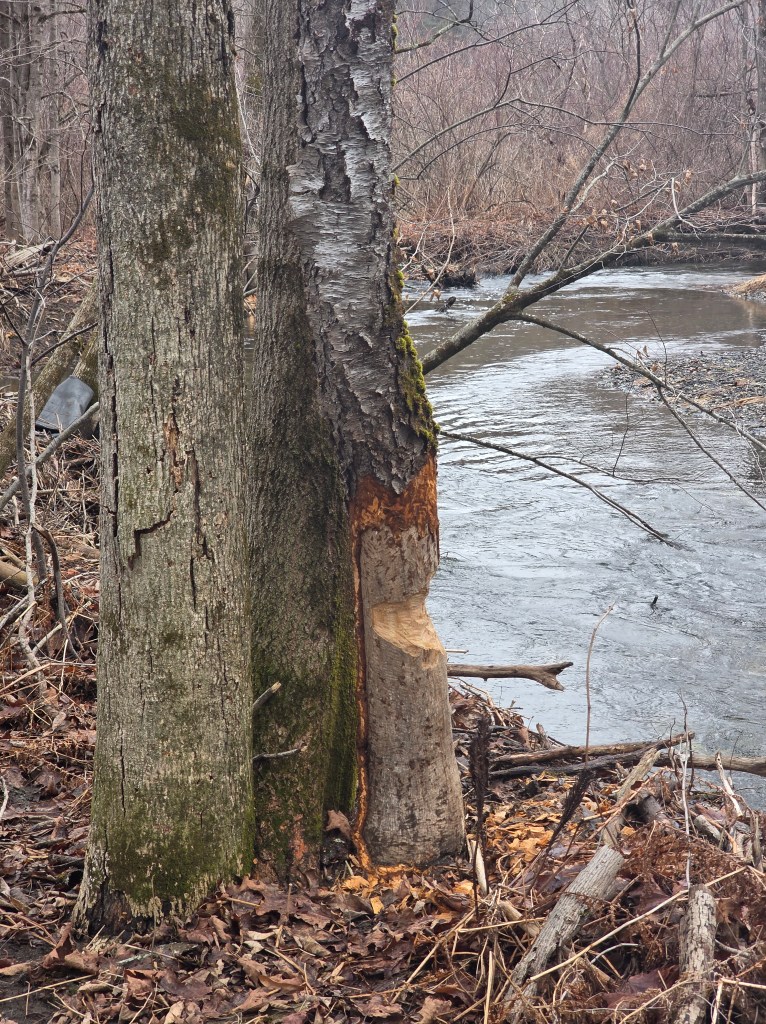
Next on the trek – we went to a town in Western Mass where they have hired Tom before for beaver issues. After going to the town hall for the maps and details on exactly where they wanted Tom to help with their beaver problems we drove to the first location. Initially, Tom thought at first that the beavers he had trapped in the area previously were the last ones in the area, but upon putting on waders and getting into the water he found evidence of a new beaver make to move into the area. He showed scent mounds, fresh chews, and water way blockage that all indicated the new activity. What was crazy to me was that my untrained eye never would have caught these things. Maybe the fresh chews, but they were very subtle at this location. In another location, we found beaver activity near where we were told to park but it was clear that it was not close by. We got our boots on and followed the water until we found fresh chews and a newly renovated beaver hut.
We ended up checking and re-setting traps at 2 locations and then setting traps at 3 additional locations. Tom showed me how to safely set the traps, and how to identify where the best locations would be to set them. Tom is very well versed in the legal aspects of his job, both by ways of following general trapping laws and regulations but also previous interactions he has had with town officials and EPO’s. He also told me how he was going to process the beavers we had trapped when he got home and what his goals were for the pelts. In our hour drive to one spot from another, he had 4 calls for help with beavers in different parts of the state. I had a blast. I learned SO much. And now, I want to trap.
This also prompted me to go home and look at the history of beaver trapping in Massachusetts, because I know that in other states these other types of traps are very common. Back in 1996 is when Massachusetts banned the use of body gripping traps, and within a few years after the ban it was reported that the population of beavers nearly tripled. The harvest rate also went down in the first year from the ban from over 1200 to 98. This increased conflict and damages to infrastructures including public road ways, septic systems, private properties, wells etc.
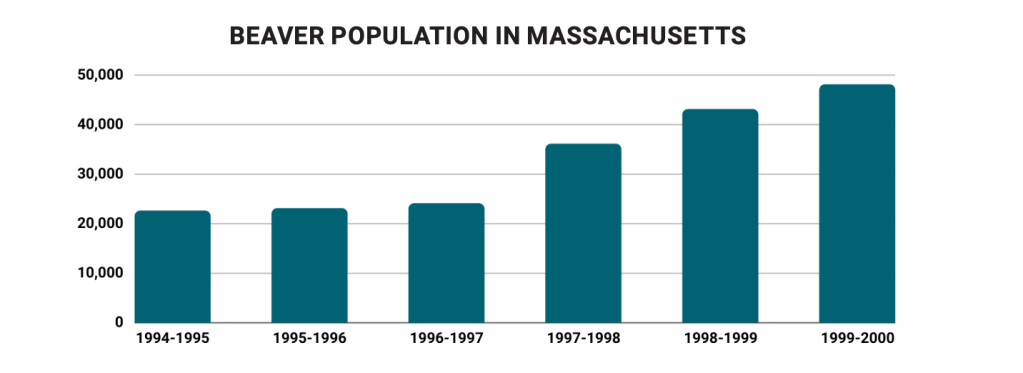
In essence, the state made it more difficult for trappers to harvest beavers (and other species) and saw what one would expect – a decrease in trapping efforts and an increase in beaver population. Tom is allowed to apply for “Nuisance permits” when applicable. When granted, this allows the use of the body grip trap. The graph below shows in MA how many beavers are taken via regular harvest vs with a nuisance permit.
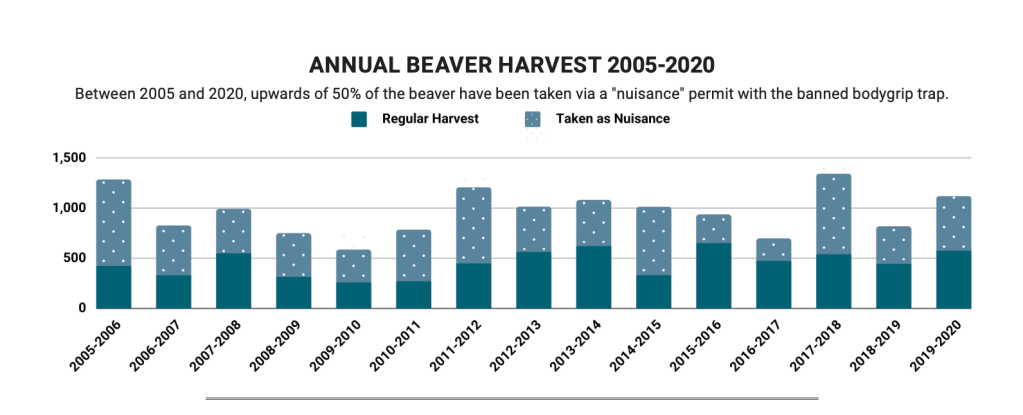
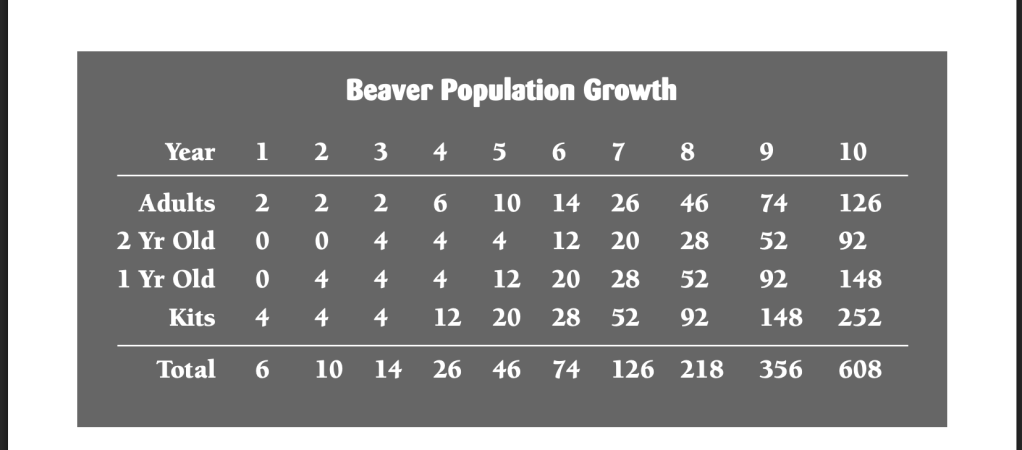
According to Mass Fish & Wildlife information, annual harvests typically around 1,300 to over 2,000 which does not significantly affect the roughly 70,000 negatively. In fact, a single beaver can carry up to as many as 9 kits; one of the two that we trapped was a pregnant female with 5 little ones that would have been born around the late part of May.
Trapping is one of the topics in the sportsman’s world that is inherently controversial, and as someone with a previous 0 hands on experience or education about it, I can see why. There are questions about the animal cruelty aspect, fur trade ethics, and non-target “bycatch” objections.
As an advocate for healthy populations and conservation, I feel strongly supportive for trapping, especially for certain species. You’re not going to find it to be successful to try to shoot, say, a weasel. The same could be said about beavers. Seeing the damage beavers can cause to residential and municipal properties—and understanding how few people are actively trapping them—it’s hard to ignore the role trapping plays in managing that impact.
Before this, trapping was something I was curious about; from a distance. Like a lot of things outdoors, it’s easy to form opinions when you’ve never had your boots in the mud or your hands in the water. There are so many parts of the outdoors that people are curious about but never pursue, whether it’s trapping, hunting, fishing, or conservation work. Not because they don’t care—but because they don’t know where to start.
Start by asking. Start by showing up. Start by being willing to learn.
I did—and it turned into one of the most fun, educational experiences I’ve had in the field.
It won’t be my last.
Source References:
https://www.mass.gov/info-details/trapping-information
 Wild Woman